
Why Choose a Solo Independent Home Inspector for Personalized Thorough and Unbiased Service

Buying a home asks for trust before the keys are even in your hand. The paint may look fresh, the kitchen may shine, and the listing photos may promise comfort. Still, the real condition of a house lives in quieter places: the crawl space, the attic, the electrical panel, the grading around the foundation, and the small clues most buyers would never think to check.
That is where the right home inspector matters. A solo independent home inspector brings more than a checklist. They bring direct accountability, careful attention, and a working relationship built around the person hiring them. For many buyers, that personal connection can make the inspection feel less like a transaction and more like a clear, guided look at one of the biggest purchases they may ever make.

A solo inspector gives you direct attention from start to finish
When hiring a large inspection company, the person answering the phone, scheduling the appointment, performing the inspection, and writing the report may all be different people. That model can work, but it can also create distance between the buyer and the professional doing the work.
With a solo inspector, the process is usually more direct. The person you speak with before the appointment is often the same person who walks the roofline, tests the outlets, enters the attic, and explains the report afterward. That continuity matters.
A solo inspector can ask better questions because they are personally handling the job. For example:
Is this a first home purchase?
Is the buyer concerned about an older roof?
Will the home be used as a rental property?
Are there plans to renovate soon after closing?
Has the seller disclosed past water intrusion or foundation work?
Those details help shape the inspection. The inspector still evaluates the major systems in a consistent way, but they can pay closer attention to the concerns that matter most to the client.
Personalized service does not mean cutting corners. It means the inspection is guided by both professional standards and the client’s real questions.
For a first-time buyer, that might mean slowing down to explain where the main water shutoff is and what a GFCI outlet does. For a buyer purchasing an older home, it may mean spending extra time discussing aging plumbing, roof layers, electrical panel concerns, or signs of past repairs.
The best inspections are not one-way performances. They are conversations.
Thorough inspections benefit from focus and accountability
Home inspections require patience. A good inspector notices patterns, not just individual defects. A stain on the ceiling may connect to attic ventilation, roof flashing, or an old plumbing leak. A door that sticks may be harmless seasonal movement, or it may point toward structural settlement. A missing cover plate may seem minor, but open electrical components need attention.
A solo independent inspector often has strong motivation to be thorough because every report reflects directly on their own name. There is no brand shield, no regional office, and no employee rotation. Their reputation depends on the quality of each individual inspection.
That kind of accountability can affect the way the work is done.
A careful inspection often includes:
Roof materials, drainage, flashing, and visible roof penetrations
Exterior siding, trim, grading, decks, porches, steps, and walkways
Foundation, visible structure, crawl spaces, and basements
Attic framing, insulation, ventilation, and signs of moisture
Electrical panel, outlets, fixtures, grounding, and safety concerns
Plumbing supply, drainage, water heater, and visible piping
Heating and cooling equipment, where accessible and within scope
Interior floors, walls, ceilings, windows, doors, and stairs
Built-in appliances, when included in the inspection agreement
A home inspection is visual and non-invasive. It cannot reveal every hidden defect behind walls or under flooring. Still, a thorough inspector knows how to read the clues a home makes visible.

Smaller workloads can protect quality
Some independent inspectors choose to limit the number of inspections they perform in a day. That can be a real advantage.
A rushed inspection may miss subtle signs or leave little time for questions. A more focused schedule gives the inspector space to document findings properly, explain concerns on site, and prepare a report that makes sense later.
This is not a guarantee that every solo inspector is better than every larger company. Skill, training, experience, tools, ethics, and communication all matter. Still, a solo inspector who protects their schedule can often give each property the attention it deserves.
For buyers, that can mean fewer vague comments and more useful explanations.
Instead of simply writing “moisture stain observed,” a detailed inspector may explain where the stain is located, what area should be monitored, whether moisture was present at the time of inspection, and whether a qualified contractor should evaluate the source.
That level of detail helps buyers make better decisions.
Independent opinions can reduce conflicts of interest
A home inspection should serve the client. That sounds obvious, but real estate transactions can create pressure. Everyone involved wants the deal to move forward. The buyer wants clarity, the seller wants resolution, and agents want closing day to arrive.
An independent inspector’s job is different. The inspector is not there to sell the home, negotiate the price, or make the property sound better than it is. Their role is to identify visible conditions, explain risk, and help the client understand what they are buying.
That independence is one of the strongest reasons to hire a solo inspector.
A good inspector will not exaggerate minor flaws to create fear. They also will not soften serious concerns to keep anyone comfortable. They should state findings clearly, explain why the issue matters, and recommend further evaluation when the concern is outside the inspection scope.
For example, an inspector may not diagnose the full cause of foundation movement. But they can note cracks, uneven floors, moisture conditions, or doors that do not close properly. Then they can recommend evaluation by a qualified structural professional.
That honest boundary is useful. It tells the buyer what is known, what is uncertain, and what should happen next.
A biased report may minimize concerns
A rushed review may list defects without context
A vague concern can create confusion
An unbiased report explains what was observed and why it matters
A careful review helps the client understand priority and risk
A clear recommendation supports better follow-up decisions
The goal is not to scare buyers away from homes. Most homes have defects, including new construction. The goal is to replace uncertainty with clear information.
Detailed reports help buyers act after the inspection
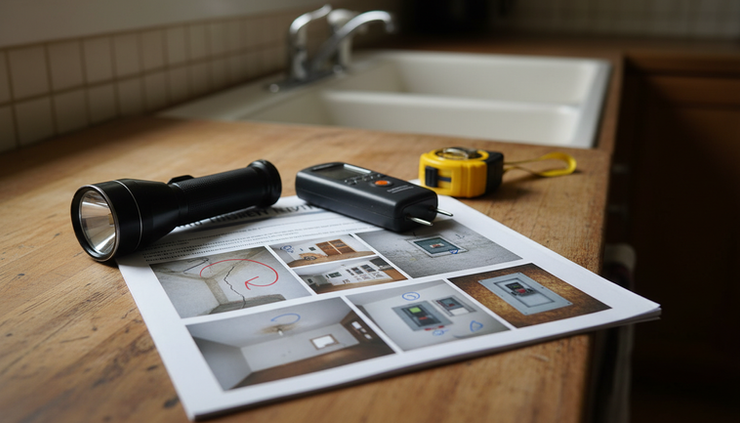
The inspection itself matters, but the report is what most buyers return to after the appointment. It may guide repair requests, budgeting, contractor visits, insurance questions, and maintenance planning.
A strong report should do more than list problems. It should help the client understand them.
A useful inspection report often includes:
Clear photos of the concern
Plain-language explanations
The location of each finding
Safety concerns called out clearly
Repair or evaluation recommendations
Notes on maintenance items
A summary of major issues
Enough context to understand severity
The best reports avoid two common problems. They do not bury important defects inside long technical language, and they do not make every small issue sound equally urgent.
A missing handrail, active water leak, exposed wiring, and dirty HVAC filter should not all carry the same weight in the client’s mind. A good inspector helps sort the findings so the buyer can focus.
A detailed report supports negotiation and planning
For buyers under contract, the report may become part of the negotiation process. It can help identify which issues should be addressed before closing and which are better handled after move-in.
Not every defect should become a repair request. Some items are routine maintenance. Others may require immediate attention. A detailed report helps buyers and their agents separate the two.
For example:
Loose toilet at the floor May need repair to protect flooring and prevent leaks.
Aging water heater May work now but should be budgeted for replacement.
Double-tapped breaker May require correction by a licensed electrician.
Negative grading near the foundation May increase moisture risk and should be improved.
Missing attic insulation May affect comfort and energy use.
With a clear report, buyers can make grounded decisions instead of reacting to fear or guesswork.
Independent inspectors can adapt to specific client needs
Every buyer looks at a home through a different lens. Some care most about safety. Some are worried about repair costs. Some plan to remodel and want to understand what systems may limit their plans. Some need time to understand basic home maintenance because homeownership is new to them.
A solo inspector may be especially well suited to adjust the communication style and inspection conversation to the client.
For a first-time buyer, the value may come from practical explanations:
How to change the HVAC filter
Where to find the main electrical disconnect
What normal foundation cracks may look like
How to monitor caulking around tubs and showers
Why gutters and downspouts affect basements and crawl spaces
For an experienced buyer, the conversation may move faster and focus on bigger-ticket concerns, past repairs, or signs that specialist evaluation is needed.
For an investor, the emphasis may be on system age, safety concerns, deferred maintenance, and near-term repair planning.
This flexibility is difficult to fake. It comes from listening.
A solo independent home inspector who communicates well can meet the client where they are without watering down the inspection. That balance is valuable because a report full of findings is only useful if the buyer understands what to do with it.
Trust is built through communication, not just credentials
Licensing, certification, training, and experience matter. Buyers should ask about them. But trust also comes from how the inspector communicates before, during, and after the inspection.
Good communication starts early. A reliable inspector explains the scope of the inspection, the fee, the expected timeline, and any limits. They make clear what is included and what is not. If radon testing, sewer scope, pest inspection, mold sampling, or specialized structural evaluation is needed, they explain whether they provide it or whether another professional should be hired.
During the inspection, communication should be calm and clear. The inspector should be willing to answer questions without rushing, but they should also stay focused on the work. A buyer does not need drama. They need accuracy.
After the inspection, the inspector should remain available for reasonable follow-up questions. Many buyers read the report later and realize they need clarification. A solo inspector who stands behind their work can explain findings again, point to report photos, and help the client understand the next step.
A home inspection is most valuable when the client feels informed enough to ask better questions before closing.
That kind of trust can change the entire experience. Instead of leaving the inspection with a list of alarming defects, buyers leave with a clearer sense of the home’s condition, its maintenance needs, and the issues that deserve further attention.

How to choose the right solo independent inspector
Hiring an independent inspector should still involve careful screening. Solo service can be a major advantage, but only when paired with competence and professionalism.
Before booking, ask direct questions:
What standards of practice do you follow?
Are you licensed or certified where required?
How long does a typical inspection take for a home like this?
Can I attend the inspection?
When will I receive the report?
What will the report include?
Do you carry insurance?
Do you inspect roofs, crawl spaces, and attics when safely accessible?
How do you handle questions after the report is delivered?
The answers should be clear and specific. Be cautious with anyone who promises to find every possible problem, since no visual inspection can do that. Also be cautious with anyone who seems annoyed by basic questions. Buying a home is stressful enough. The inspector should reduce confusion, not add to it.
Reviews and referrals can help, but read them carefully. Look for comments about thoroughness, patience, clear reporting, and follow-up communication. A cheap inspection that leaves buyers confused is not a bargain.
The best inspection feels personal because the stakes are personal
A home inspection is not just another step on a closing checklist. It is a chance to pause, look carefully, and understand the property before making a long-term commitment.
A solo independent inspector can offer clear advantages: more personal service, direct accountability, careful attention, flexible communication, and an opinion less likely to be shaped by outside pressure. The value shows up in the little things, such as a question answered clearly, a defect photographed well, a report written in plain language, or a concern explained without panic.
No inspector can make a house perfect. No inspection can remove every risk. But the right inspector can help buyers see the home more clearly.
Choose someone who listens, explains, documents, and tells the truth plainly. That kind of guidance is hard to replace, and it can make the path to homeownership feel much steadier.


Comments